Marriage Tradition in Nepal
Nepali weddings are vibrant and full of tradition. The bride wears a red saree symbolizing love and fertility, and the couple participates in rituals like Mehendi, Supari, and pooja. They exchange garlands, rings, and sindoor powder, while elders give blessings and playful customs like shoe-stealing add fun. The bride is then welcomed into the groom’s home, and guests congratulate the couple, making the celebration meaningful and joyous.
Nepali Wedding Traditions: A Step-by-Step Guide
In Hindu weddings, it is traditional for the bride to wear a red saree or lehenga (a two-piece dress). Red symbolizes good luck, purity, love, and fertility, while also representing passion, power, and strength. Most bridal sarees are embroidered with gold and green, with green symbolizing peace and harmony. Sarees are long rectangular pieces of fabric, sometimes up to 26 feet, worn over a simple floor-length cotton skirt (petticoat) and a matching crop top. The saree is folded and wrapped carefully, often with the help of a professional stylist for a flawless fit.
Mehendi Ceremony
A day or two before the wedding, brides often host a Mehendi party, a tradition borrowed from Indian Hindu weddings due to Bollywood influence. Originally, mehendi (henna) was applied for medicinal purposes—to relieve stress and cool the body—but today it is mostly decorative. Darker mehendi is said to indicate the groom’s love, and patterns often hide the groom’s name, requiring him to find it to avoid giving the bride a gift.
Supari Ceremony
In Newari weddings, the bride is formally accepted into the groom’s family during the Supari ceremony. She presents 10 betel nuts to each family member, symbolizing loyalty, love, and fertility. This ceremony also involves bowing to elder family members to receive blessings and giving blessings to younger members.
Kusha Ring
At the start of the wedding ceremony, the bride and groom wear a “Kusha ring” made from sacred grass, considered holy in Hinduism. The ring purifies the wearer, and any worship without it is believed to be fruitless. Kusha grass grows only in certain tropical regions and is picked the day after a full moon for ceremonial use.
Wedding Ceremony Rituals
During the pooja (worship), offerings are made to gods and elements of nature. A kalash (brass canister) filled with water symbolizes the cosmos and fertility, while offerings include fruit, flowers, money, rice, and sindoor powder. A silver or clay lantern called a diyo is lit, representing prosperity, purity, and protection from evil.
The bride circles the groom three times, symbolizing that he is the center of her universe. Some ceremonies involve circling a fire seven times, or sprinkling flower petals or water, depending on cultural variations. Traditionally, the bride bows to the groom’s feet, though modern couples may modify this to reflect equality in their relationship.
Next, the bride and groom exchange garlands made from Bermuda grass, called “Dubo Ko Mala,” symbolizing a long-lasting marriage. The husband then applies sindoor powder to the bride’s hair part, marking her as officially married. The bride also receives a red-and-gold necklace called a “tilhari,” composed of beads (“pote”) and a gold pendant, which functions like a wedding ring in Nepali culture.
Exchanging Wedding Rings and Additional Customs
Wedding rings are commonly exchanged in Nepali weddings. In addition, other cultural rituals may occur, such as stealing the groom’s shoes—a playful tradition where the bride’s female relatives hold the shoes for ransom, fostering interaction between the families.
Janti and Bidai
The janti is a celebratory procession where the groom’s family parades to the bride’s home with music and dancing. After the ceremony, the bride joins the groom’s family in a “Ghar Bhitrauni” ceremony, where she is formally welcomed into the household. Younger female family members may playfully demand money before allowing the bride in, after which elders bless the couple.
Bidai is the farewell to the bride’s family, a deeply emotional moment as she leaves her home to start life with her husband. Some couples may modify or skip this tradition, especially if they have been living together prior to marriage.
Receiving Line and Guest Customs
After the wedding, the bride, groom, and groom’s immediate family receive guests in a formal receiving line. Guests bring gifts, flowers, or khata (a ceremonial scarf symbolizing purity, compassion, and good luck). This is a time to greet everyone, which can take hours in large Nepali weddings with 500 to 1,000 guests.
Nepali weddings are rich with symbolism, customs, and playful rituals, blending religious tradition with family celebrations. They are informal in spirit, with guests encouraged to walk around, ask questions, and participate in the ceremony, making them deeply interactive and memorable experiences.
Recent Articles
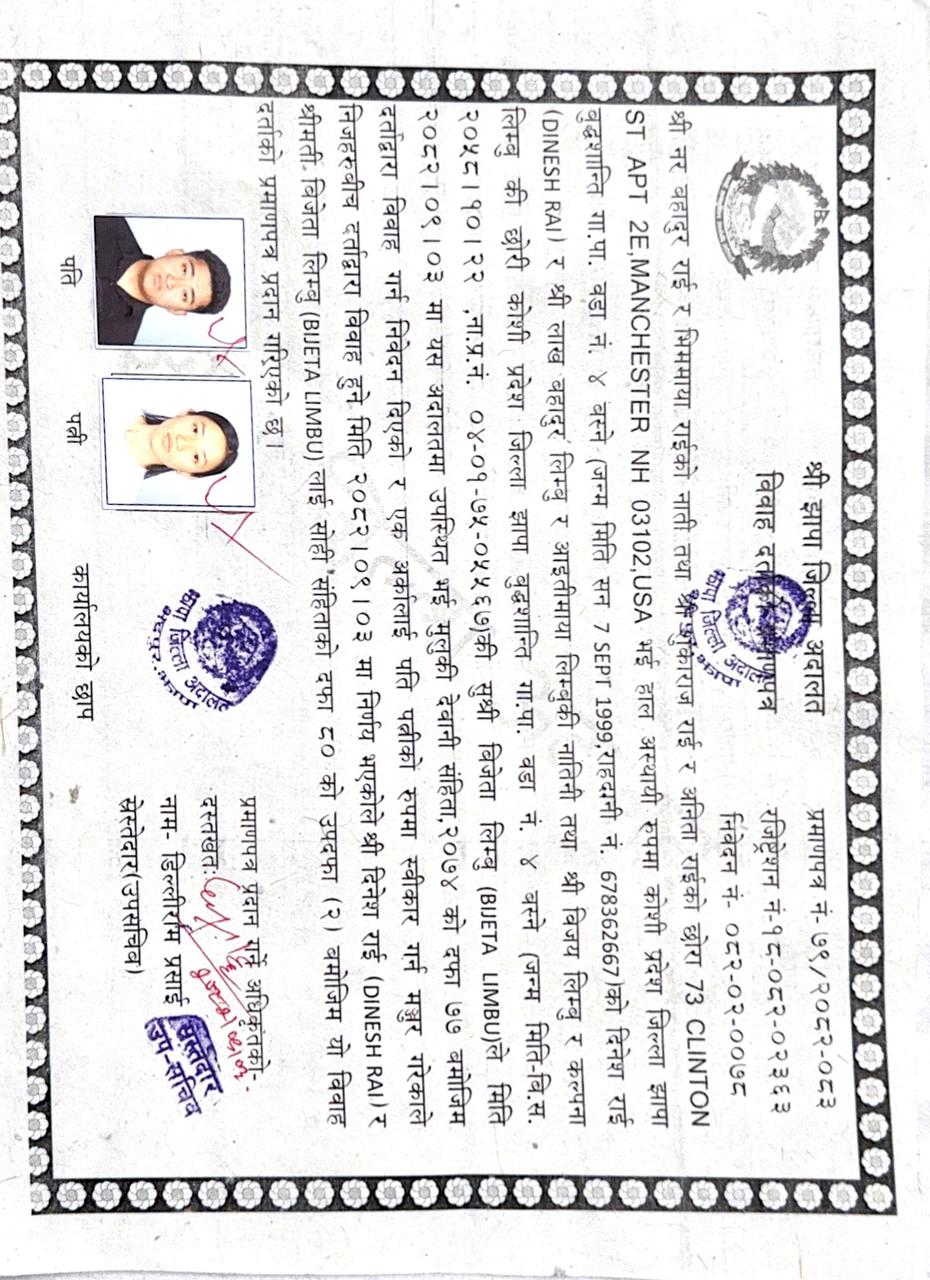
Court Marriage Certificate
Dec 25, 2025
Notary: Letter to Immigration
Dec 25, 2025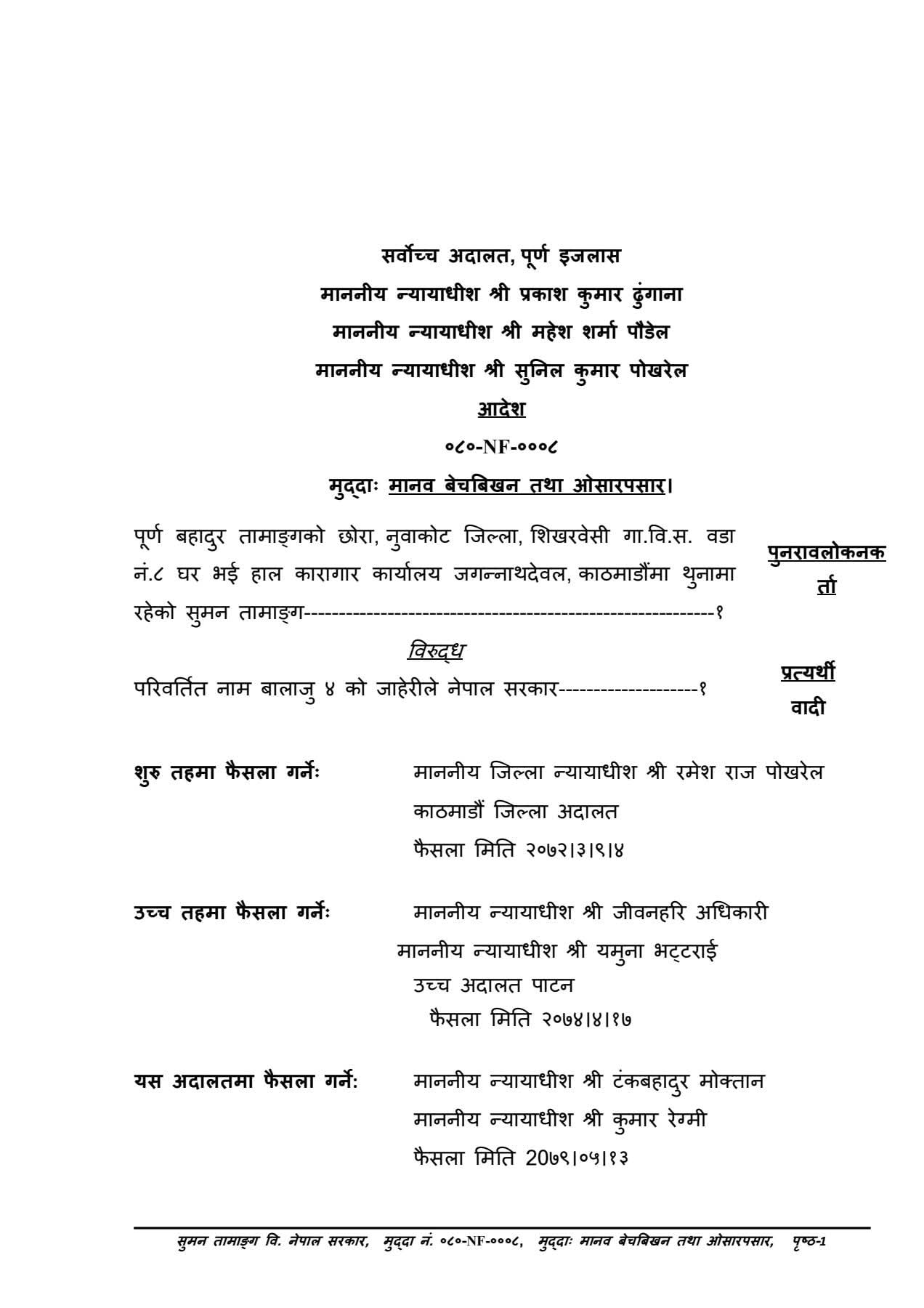
Translation: Human Trafficking
Dec 12, 2025
Translation: Contract
Dec 11, 2025