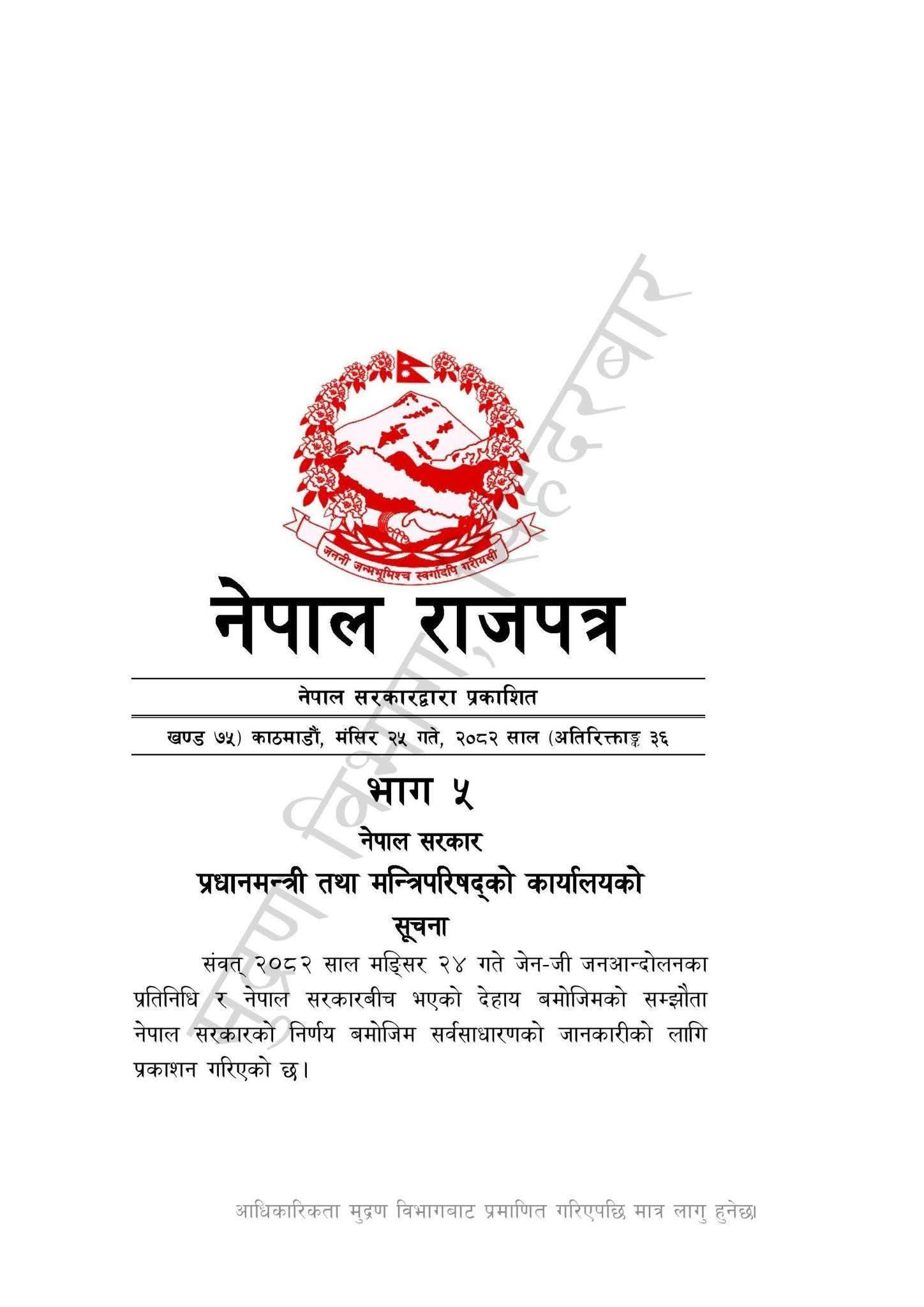
Notary Public Council: Structure and Commencement
The overarching purpose of the Notary Public is to promote legal transparency, public accountability, and easy access to reliable notarial services nationwide.
Nepal Notary Public Council:
An In-Depth Overview of Its Role, Structure, and Functions
Introduction and Historical Background
For many years, Nepal lacked a standardized legal framework for document certification, attestation, and translation. Before the enactment of the Notary Public Act, 2063 B.S. (2006 A.D.), such responsibilities were typically performed by government officials or the Law Book Management Committee. This system often led to inconsistency, delays, and lack of accountability.
Recognizing the need for uniformity and professionalism, the Government of Nepal introduced the Notary Public Act, 2063, which formally established a clear legal process for document authentication. Additionally, considering Nepal’s multilingual society and the growing global mobility of Nepali citizens, the Act also set legal provisions for document translation and verification.
The overarching purpose of the Act was to promote legal transparency, public accountability, and easy access to reliable notarial services nationwide.
Establishment of the Nepal Notary Public Council
The Nepal Notary Public Council was legally constituted under the Notary Public Act, 2063. The Act was certified on Ashoj 28, 2063 (October 11, 2006) and enforced from Falgun 1, 2063 (February 3, 2007). To implement the Act effectively, the Notary Public Rules, 2063 came into force on Chaitra 14, 2063 (March 28, 2007) and have since been amended three times.
Legal Composition of the Council (Section 5(1) of the Act)
The Council consists of a high-level panel of legal authorities:
Attorney General – Chairperson
President, Nepal Bar Association – Member
Secretary, Ministry of Law, Justice and Parliamentary Affairs – Member
Secretary, Office of the Prime Minister and Council of Ministers – Member
Secretary, Nepal Law Commission – Member
Secretary, Ministry of Land Reform and Management – Member
Secretary, Ministry of Foreign Affairs – Member
Registrar, Supreme Court – Member
Initially, the Council operated from the Office of the Attorney General. As the number of notaries grew, the Council relocated to Kupandol, Lalitpur, in Baishakh 2067 (2010 A.D.).
Major Roles and Responsibilities of the Council
The Nepal Notary Public Council is an independent, autonomous, and perpetual institution. Its primary objective is to maintain the integrity, reliability, and accessibility of notarial services across the country. Key responsibilities include:
1) Policy Formulation and Implementation
The Council develops and enforces nationwide policies related to notarial work, translation services, and professional conduct.
2) Licensing and Certification
It issues certificates authorizing qualified individuals to work as notaries or certified legal translators.
3) Examinations, Evaluation, and Training
The Council conducts written examinations, evaluates eligibility, and organizes mandatory training sessions to ensure professional competence and ethical behavior.
4) Monitoring and Compliance
Regular inspections, monitoring mechanisms, and compliance checks ensure that notaries follow legal guidelines and the Notary Code of Conduct.
5) Committee Formation
The Council may form various committees—including disciplinary and investigation committees—to oversee specialized tasks.
6) Handling Public Complaints
The Council systematically investigates complaints relating to malpractice, delays, or misconduct, ensuring accountability in the profession.
7) Public Awareness and Access
It makes rules, notices, and updates publicly accessible through its website and collaborates with organizations to enhance notary-related awareness.
8) Technology and Innovation
The Council is actively involved in digital transformation.
9) It has introduced software tools to verify notary seals and digital documents, making document authentication more secure and efficient.
Organizational Structure and Administrative Operations
The Attorney General chairs the Council, ensuring strong judicial oversight. The Council’s Secretariat handles administrative operations, coordinates licensing, maintains records, and facilitates training and examination processes.
The inter-ministerial structure ensures collaboration across government sectors where notarization and translation are required.
Licensing, Training, and Certification Process
To become a licensed notary in Nepal, candidates must:
1. Fulfill eligibility requirements prescribed by the Notary Public Act.
2. Pass the written examination conducted by the Council.
3. Attend mandatory training programs focused on notary procedures, ethics, and document-handling standards.
Certified notaries must renew their licenses regularly and maintain strict adherence to the Code of Conduct. Failure to comply may result in suspension, penalties, or cancellation of the license.
The Council also oversees training programs for translators, supporting Nepal’s increasing need for multilingual and internationally recognized document verification.
Monitoring, Ethics, and Public Complaint System
To uphold professionalism, the Council enforces a comprehensive Notary Code of Conduct. Key monitoring practices include:
Annual performance reviews
Surprise inspections
Mandatory digital reporting
Public complaints—whether related to negligence, misconduct, unauthorized fees, or delays—are carefully investigated. Disciplinary measures may involve warnings, suspensions, or full revocation of the license.
Digital Services and Modernization Initiatives
Embracing digital transformation, the Council has launched:
An online portal for notary registration, document submission, license renewal, and bank guarantee management
Regular online updates on examination schedules, rule amendments, and public notices
Awareness campaigns in partnership with the Nepal Bar Association and various NGOs
This digitization has significantly enhanced transparency, professionalism, service efficiency, and public accessibility.
Future Prospects of Notary Services in Nepal
With growing globalization and increased international mobility, the role of the Nepal Notary Public Council is becoming more significant. Future plans include:
Expanding training programs in collaboration with international organizations
Introducing blockchain-based document verification systems
Offering wider multilingual certification services
Promoting international standardization in legal translation
Strengthening cross-border cooperation with foreign notary councils
These initiatives aim to align Nepal’s notarial system with global best practices.
Challenges and Areas for Improvement (Added Section)
While progress has been substantial, some challenges remain:
Limited public awareness in rural areas
Need for increased digital literacy among notaries
Occasional delays in complaint investigation
Requirement for more advanced translation standards
Growing demand exceeding the number of certified notaries
Addressing these gaps will further strengthen Nepal’s notarial ecosystem.
Conclusion
The Nepal Notary Public Council plays a central role in Nepal’s legal documentation system. From certifying notaries and regulating translation services to ensuring ethical and professional conduct, the Council ensures that document authentication remains reliable, transparent, and aligned with national and international standards.
For verified notarial services, translations, affidavits, certifications, or legal documentation support, Notary Nepal stands as a trusted partner, offering secure and professional solutions.
Services Offered by Legal Connection
Document notarization
Affidavits and sworn statements
Document certification
Document translation
Multilingual translation and verification
Statement of Purpose (SOP) preparation
Recent Articles

Court Marriage Certificate
Dec 25, 2025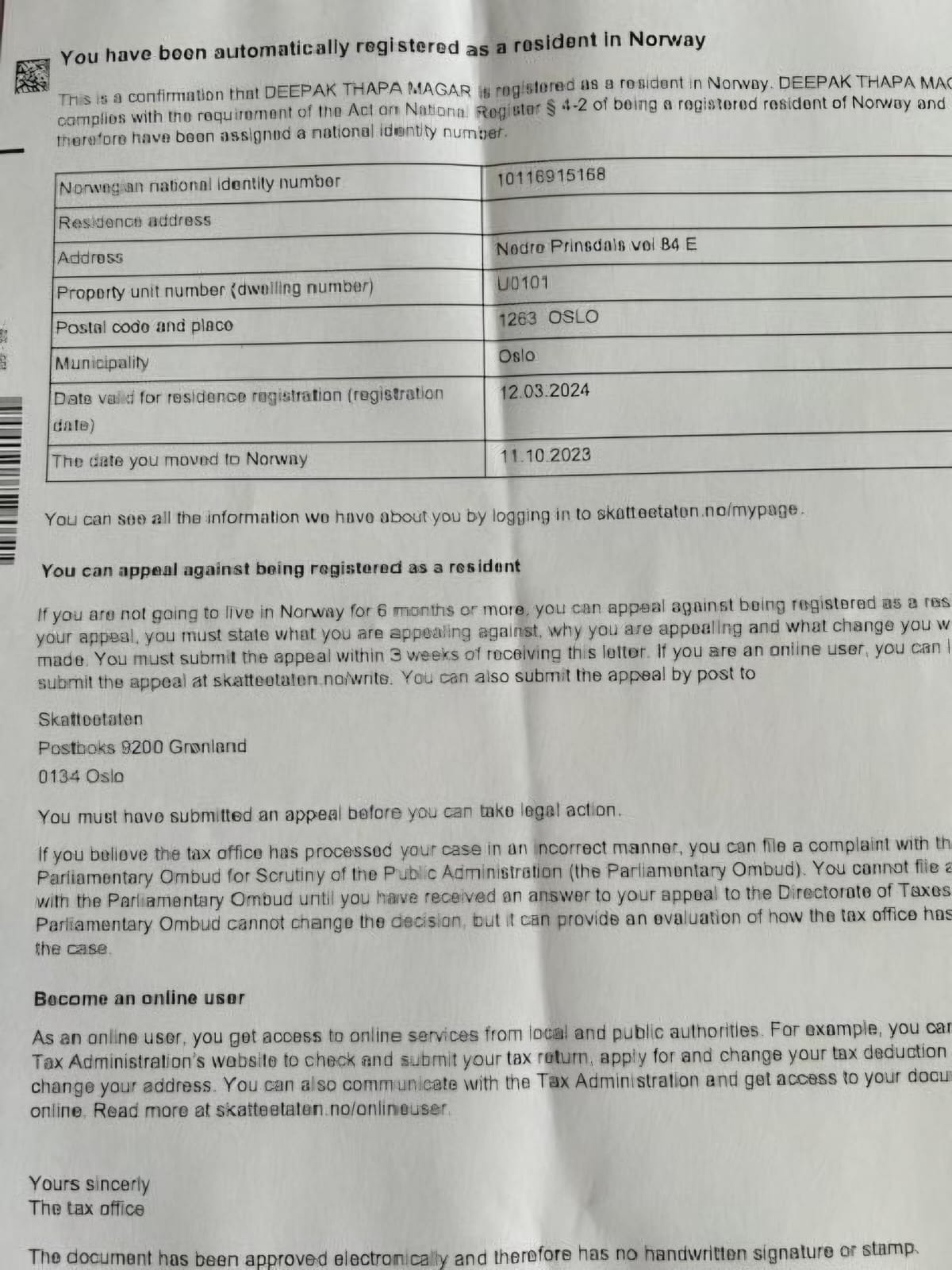
Notary: Letter to Immigration
Dec 25, 2025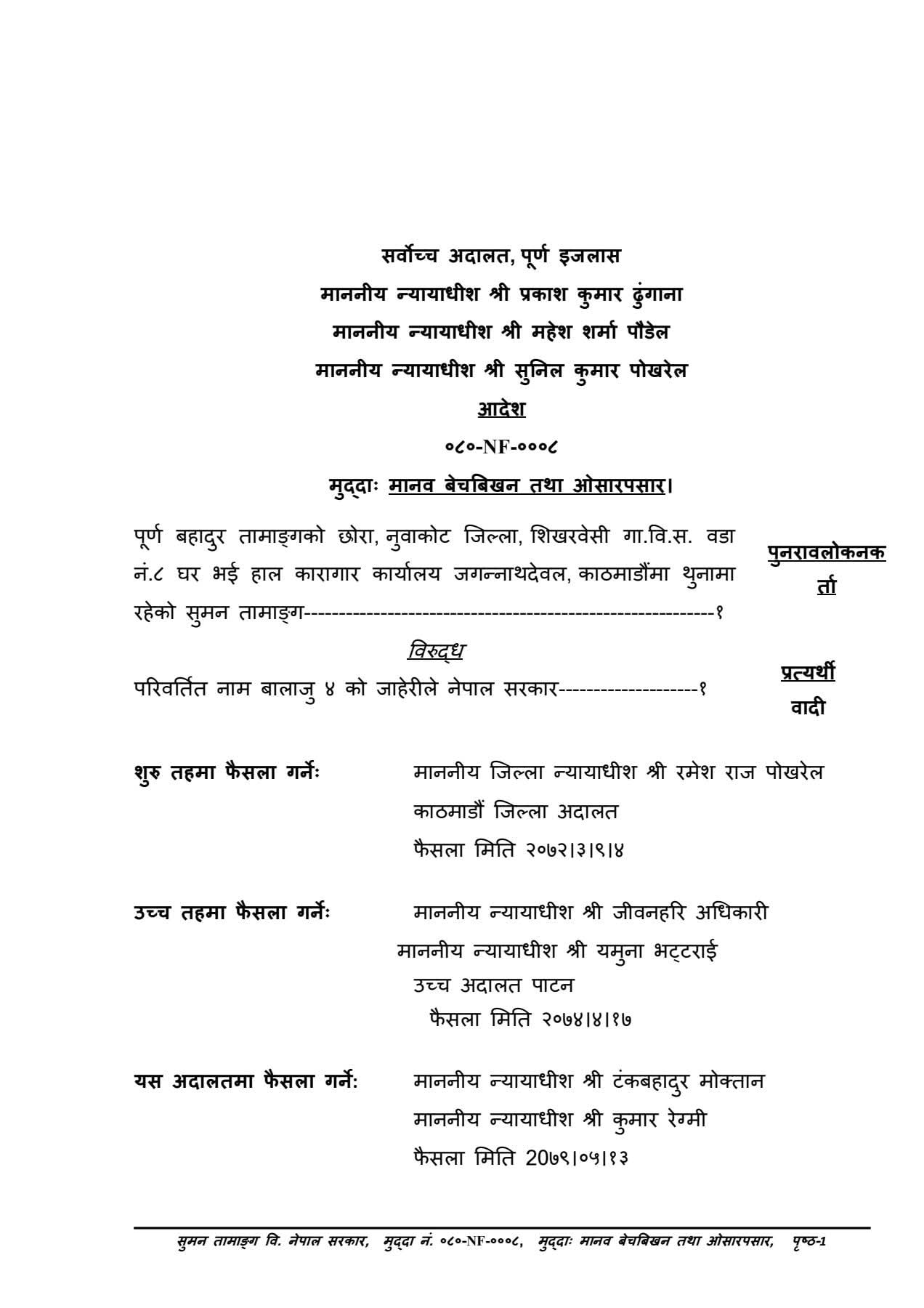
Translation: Human Trafficking
Dec 12, 2025
Translation: Contract
Dec 11, 2025